
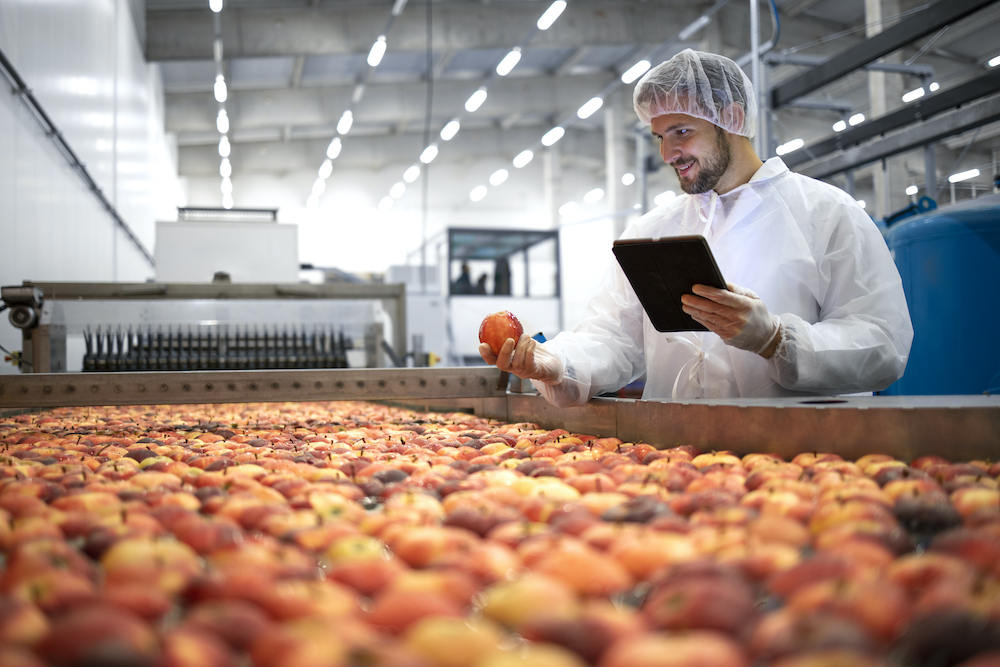
The food industry faces one of the most challenging and transformative periods in its history
By 2026, the food industry will continue to face increasing pressure from more conscious consumers, stricter regulations, rapid technological advances, and growing demand for products that deliver health, transparency, and purpose.
For brands, the challenge is not just keeping up with trends, but reinventing processes, product portfolios, and the way they connect with people.
Want to know how to do that? Keep reading.
The core challenge: health as a real priority
The demand for healthier foods is no longer a niche—it’s the new standard. Consumers want cleaner labels, less sugar, less sodium, fewer artificial additives, and ingredients that make sense from both a nutritional and functional perspective.
This shift requires complex product reformulations without compromising taste, texture, or stability.
At the same time, growing pressure for scientific validation, ingredient transparency, and clear communication increases both the technical and strategic challenges for manufacturers.
In this scenario, companies that work with specialized partners in healthy inputs—such as fruits, vegetables, fibers, natural ingredients, and functional solutions—gain a competitive advantage by accelerating the development of products aligned with new market expectations.
Sustainability and transparency: from differentiator to requirement
Another major challenge for the food industry in 2026 is sustainability. Promises are no longer enough—proof is essential.
Supply chains will be increasingly scrutinized for responsible practices, from raw material sourcing to logistics and packaging disposal.
Transparency becomes a non-negotiable value in the food industry. Consumers want to know:
- Where the ingredient comes from;
- How it was produced;
- Its environmental and social impact;
- Whether ethical practices are involved.
In this context, technologies such as blockchain gain traction by enabling full ingredient traceability, strengthening trust and reducing reputational risks.
Personalization: products made for people, not the mass market
One of the biggest trends for 2026 is food personalization. Specific diets, dietary restrictions, individual preferences, and diverse lifestyles are pushing generic products out of the spotlight.
The industry will increasingly develop flexible solutions to serve niches such as:
- Plant-based products;
- Functional foods;
- Sugar-free, lactose-free, or gluten-free items;
- Formulations focused on performance, well-being, or digestive health.
Convenience still matters — but with more awareness
Convenience remains important, but with a new meaning. Consumers want practicality without giving up nutritional quality or food origin.
By 2026, demand continues to grow for:
- Healthy snacks;
- Ready-to-drink functional beverages;
- Natural products with longer shelf life;
- Quick solutions that still feel like “real food.”
Balancing convenience and health requires innovation in processes, ingredients, and more natural preservation technologies.
Technology as an ally: AI and data at the center of decision-making
Technology will be one of the key drivers of the food industry in the coming years. Artificial Intelligence is already being used to:
- Analyze consumer behavior;
- Optimize formulations;
- Predict consumption trends;
- Reduce production waste.
Combined with data and automation, AI helps companies make faster decisions, reduce costs, and launch more accurate products aligned with market expectations.
Experience, purpose, and “eating for a cause”
Beyond nutrition, brands must stand for something. The concept of “eating for a cause” is gaining momentum, as consumers choose products that reflect values such as social impact, support for local communities, waste reduction, and environmental preservation.
At the same time, there is a clear movement toward rediscovering traditional products, regional recipes, and emotional flavors—now reimagined with cleaner processes and more natural ingredients.
This emotional connection creates more authentic consumption experiences that go beyond the product itself and strengthen the bond between brand and consumer.
Frootiva’s role in this new landscape
Amid so many challenges and trends, Frootiva positions itself as a strategic partner to the food industry.
The company works with healthy inputs and offers support in the development and customization of products aligned with current demands for health, transparency, and sustainability.
By supporting brands in creating more natural and innovative solutions, Frootiva helps the industry move forward responsibly, stay connected to consumers, and prepare for the future.
At Frootiva® Co, our spray drying process removes water from fruits and plants while preserving their flavor, nutrients, and natural color.
In addition to fruit powders and dry extracts, the Frootiva® Co portfolio also includes vegetable powders.
Want to learn more about our products? Contact us at +55 11 4765-0732 or fill out the form on our website.
0 Comments